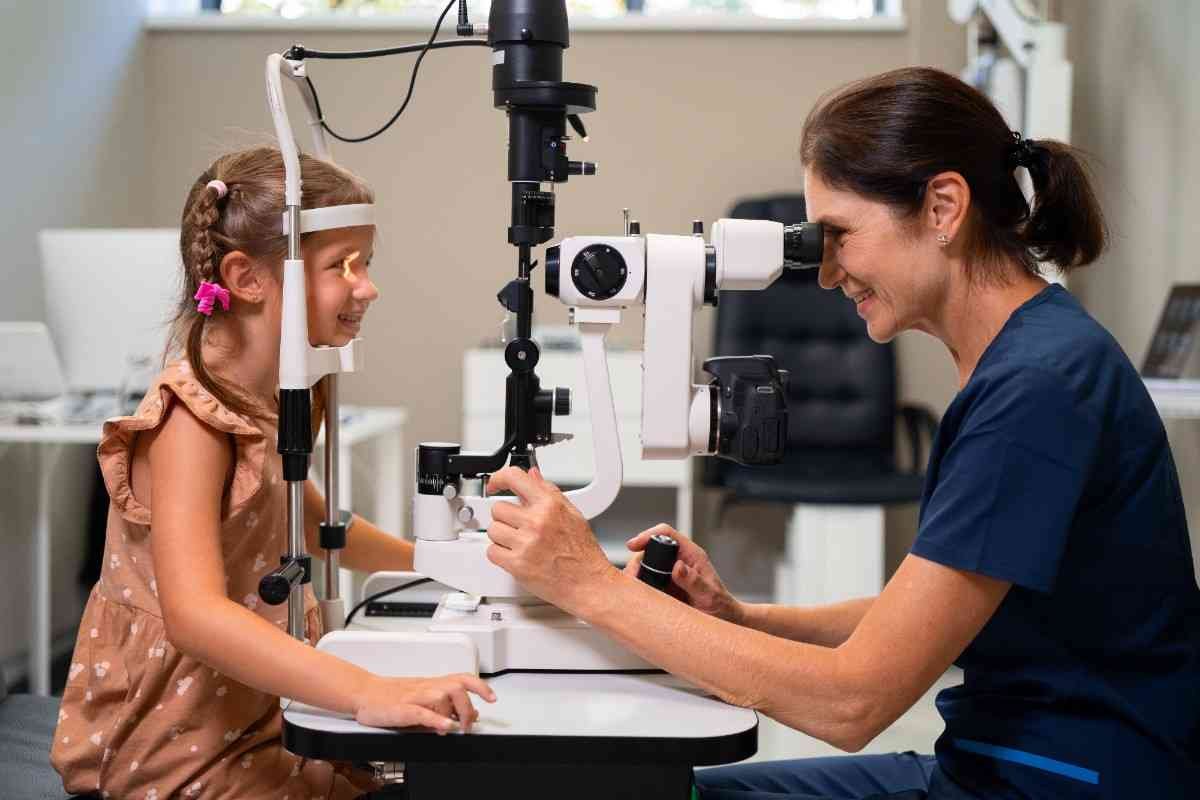
Comprehensive Eye Exams
A comprehensive eye exam is more than just checking whether you need glasses or contact lenses. It is a detailed evaluation of your overall eye health and a crucial part of maintaining your vision. Unlike a basic vision screening, which only tests how well you see, a comprehensive exam detects hidden issues that could impact both your eyesight and overall health.
What Is a Comprehensive Eye Exam?
A comprehensive eye exam is a series of tests performed by an optometrist or ophthalmologist to assess the full health of your eyes. These exams typically include:
-
Visual acuity test – Measures how clearly you see at different distances.
-
Refraction assessment – Determines your exact lens prescription for glasses or contacts.
-
Eye muscle testing – Checks how your eyes move and work together.
-
Pupil dilation – Provides a detailed view of the retina, optic nerve, and blood vessels.
-
Glaucoma testing – Monitors pressure inside the eyes to detect early signs of glaucoma.
Why Are Comprehensive Eye Exams Important?
Eye health issues often develop silently, without early symptoms. A comprehensive exam can detect conditions such as:
-
Cataracts – Clouding of the eye’s natural lens.
-
Glaucoma – A leading cause of blindness if untreated.
-
Macular degeneration – Damage to the retina affecting central vision.
-
Diabetic retinopathy – Complications of diabetes that affect the eyes.
Early detection means early treatment, which can preserve vision and prevent long-term damage.
How Often Should You Have an Eye Exam?
-
Adults (18–39 years): Every 2 years if healthy, more often if vision problems exist.
-
Adults (40–64 years): Every 1–2 years to monitor age-related changes.
-
Seniors (65+ years): Annually, since risk of eye diseases increases with age.
-
Children: Regular checkups are essential for healthy development and learning.
Benefits Beyond Vision
A comprehensive eye exam doesn’t just protect your sight—it can also reveal signs of systemic health problems, including diabetes, high blood pressure, and even certain neurological conditions. Your eyes are often called the “windows to your health” for this reason.
Final Thoughts
Investing in regular comprehensive eye exams ensures clear vision, early detection of eye diseases, and peace of mind. Don’t wait for symptoms to appear—schedule your eye exam today to safeguard your vision and overall well-being.