Date: 21 Aug 2026 | Category: eye specialist
What Eye Problems Can an Eye Specialist in Gurugram Diagnose and Treat?
Your eyes can change gradually without causing obvious symptoms. Blurred vision, eye strain, dryness, redness, headaches, or difficulty seeing at night may seem minor, but they can sometimes indicate an underlying eye condition. An Eye Specialist in Gurugram can perform a detailed eye examination, identify the cause of your symptoms, and recommend suitable treatment or vision correction. Regular eye examinations are also useful for detecting problems before they significantly affect your vision. Eye2Lens provides comprehensive eye examinations, contact lens assessments, optical services, and urgent vision care.
For more information, direct chat with us on WhatsApp.
Why Is an Eye Examination Important?
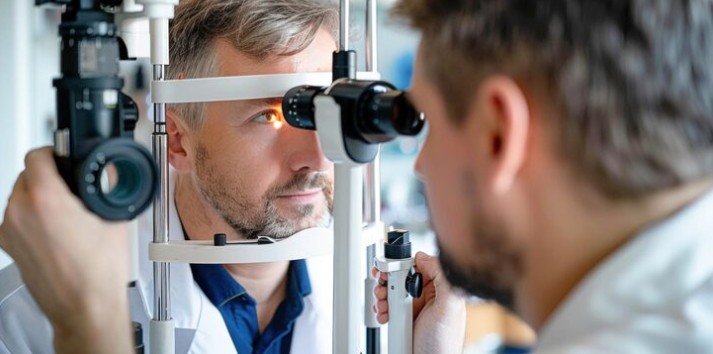
An eye examination is about more than checking whether you need spectacles. A comprehensive examination can assess visual acuity, refraction, eye movements, pupil responses, eye pressure, and the health of structures such as the retina and optic nerve.
This makes regular eye care especially important for children, adults who spend long hours on screens, contact lens users, older adults, and people with conditions such as diabetes.
An Eye Specialist in Gurugram can also help determine whether your symptoms are related to a simple vision problem or require further evaluation.
Common Vision Problems Diagnosed by an Eye Specialist in Gurugram
1. Nearsightedness and Farsightedness
Refractive errors are among the most common reasons people visit an eye-care professional.
Nearsightedness, or myopia, can make distant objects appear blurry. Farsightedness, or hyperopia, may cause difficulty with near tasks and can contribute to eye fatigue.
A detailed refraction test helps determine the appropriate prescription for spectacles or contact lenses.
2. Astigmatism
Astigmatism occurs when the cornea or lens has an irregular shape. It may cause blurred or distorted vision at different distances.
Some people also experience headaches or eye strain. An eye examination can identify astigmatism and determine the appropriate corrective lens prescription.
3. Presbyopia
Presbyopia is a common age-related change that makes it harder to focus on nearby objects. It often becomes noticeable in middle age.
You may find yourself holding your phone or book farther away to read comfortably. An eye-care professional can assess your near vision and recommend suitable reading, bifocal, or progressive lenses.
Eye Diseases That Need Careful Monitoring
4. Cataracts
A cataract occurs when the natural lens of the eye becomes cloudy. Common symptoms include blurry vision, glare, faded colours, and difficulty seeing clearly at night.
A comprehensive examination can determine whether a cataract is contributing to reduced vision and whether further treatment or surgical evaluation may be appropriate.
If vision changes are affecting everyday activities, consult an Eye Specialist in Gurugram instead of simply changing your glasses without an eye-health assessment.
5. Glaucoma
Glaucoma can damage the optic nerve and may progress without noticeable symptoms in its early stages. Eye pressure measurement, optic nerve assessment, and other tests can help identify people who may need further glaucoma evaluation.
Early detection is important because untreated glaucoma can lead to permanent vision loss.
6. Diabetic Retinopathy
Diabetes can affect the small blood vessels supplying the retina. This condition is called diabetic retinopathy.
A dilated retinal examination can help detect changes such as abnormal blood vessels, bleeding, retinal swelling, and other signs of diabetic eye disease.
People with diabetes should therefore discuss an appropriate eye-screening schedule with their eye-care professional.
Dry Eyes, Redness, and Eye Infections
7. Dry Eye
Dry eye can cause burning, irritation, watering, a gritty sensation, redness, and fluctuating vision. Long periods of screen use, environmental conditions, contact lens use, and other factors may contribute to symptoms.
An eye examination can help identify possible causes and guide appropriate management.
8. Eye Infections
Redness, discharge, swelling, itching, and discomfort may occur with different types of eye infections or inflammation. The correct treatment depends on the underlying cause.
Avoid using leftover eye drops without professional advice. Some eye conditions may look similar but require very different treatment.
Digital Eye Strain and Headaches
Spending many hours on computers, smartphones, and other digital devices can contribute to eye fatigue. Symptoms may include tired eyes, dryness, blurred vision, headaches, and difficulty maintaining comfortable focus.
An Eye Specialist in Gurugram can check your prescription and overall eye health. They can also help determine whether your symptoms may be related to uncorrected refractive errors or other eye problems.
Simple habits can also help. Follow the 20-20-20 rule, take regular screen breaks, maintain comfortable lighting, and keep your screen at a suitable distance.
Contact Lens-Related Eye Problems
Contact lenses require more than simply selecting a lens power. A proper contact lens examination may include checking your eye health, prescription, corneal measurements, tear film, and lens fit.
Poorly fitted or improperly maintained lenses can contribute to discomfort, dryness, and infections. Regular assessments can help contact lens users maintain comfortable and safer lens wear.
When Should You Seek Urgent Eye Care?
Some symptoms should not be ignored. Seek prompt professional attention if you experience:
Sudden loss or major change in vision
Severe or unexplained eye pain
Significant eye redness or swelling
Double vision that develops suddenly
An eye injury
Chemical exposure to the eye
A foreign object in the eye
Sudden flashes, floaters, or other concerning visual changes
Eye2Lens provides urgent vision care for problems such as sudden vision changes, eye injuries, infections, acute eye pain, and severe redness or swelling.
How an Eye Specialist Helps Protect Long-Term Vision
Good eye care combines accurate diagnosis, appropriate treatment, and regular monitoring. During a comprehensive examination, an Eye Specialist in Gurugram can evaluate your current vision while also looking for signs of eye disease.
This is particularly important when there are risk factors such as increasing age, diabetes, a family history of eye disease, previous eye injuries, or persistent vision changes.
Regular examinations can provide an opportunity to identify problems early and take appropriate action before they interfere with daily life.
Why Choose Eye2Lens for Eye Care in Gurugram?
Eye2Lens focuses on comprehensive eye examinations and personalized vision care. Its services include comprehensive eye exams, contact lens examinations, complete optical services, and urgent vision care. The clinic also highlights the use of modern eye-care equipment to support accurate assessments.
For people looking for an Eye Specialist in Gurugram, choosing a clinic that takes time to understand symptoms and evaluate overall eye health can make eye care more comfortable and effective.
Conclusion
Eye problems can range from simple refractive errors to conditions that require careful monitoring and specialist treatment. Blurred vision, dry eyes, redness, headaches, cataracts, glaucoma, diabetic eye disease, and contact lens-related problems should all be assessed appropriately rather than ignored.
An Eye Specialist in Gurugram can help identify the cause of your symptoms, assess your eye health, and recommend suitable next steps. Regular eye examinations are one of the simplest ways to protect your vision and detect potential problems early.
If you are experiencing persistent vision changes or discomfort, consider scheduling a comprehensive eye examination at Eye2Lens for professional guidance and personalized eye care.