Date: 28 Oct 2026 | Category: eye test
Why Is a Regular Eye Test Important for Maintaining Healthy Vision?
Healthy vision is essential for reading, working, driving, and enjoying everyday life. However, many people ignore their eye health until they experience blurred vision, headaches, or eye discomfort. Scheduling a regular Eye Test in Gurugram can help you monitor your eyesight and identify potential problems before they become more serious.
An eye test is not only for people who wear glasses. It also helps assess overall eye health and identify certain conditions that may develop without noticeable symptoms. Whether you spend long hours working on a computer or are concerned about age-related vision changes, regular eye checkups are an important part of preventive healthcare.
For more information, direct chat with us on WhatsApp.
Why Is a Regular Eye Test Important?
Your eyesight can change gradually without you noticing it. You may continue with your daily routine while missing the early signs of a vision problem.
A comprehensive eye examination helps an eye care professional assess your vision and check for signs of eye conditions. Early detection can make timely treatment possible and help protect your long-term eye health.
Booking an Eye Test in Gurugram is a practical step towards understanding your vision needs and maintaining healthy eyesight.
1. Helps Detect Vision Problems Early
One of the main benefits of regular eye examinations is the early detection of vision problems. Conditions such as nearsightedness, farsightedness, and astigmatism can affect how clearly you see objects at different distances.
Common warning signs include:
Blurred vision while reading or using a computer
Difficulty seeing road signs or distant objects
Frequent headaches after reading
Squinting to focus clearly
Eye strain during everyday activities
An eye examination can help determine whether you need glasses, contact lenses, or further evaluation. Getting your vision checked regularly can also help you avoid unnecessary discomfort caused by an outdated prescription.
2. Identifies Eye Diseases Before Symptoms Appear
Some eye diseases develop slowly and may not cause noticeable symptoms in their early stages. This means you could have an eye health problem even when your vision seems normal.
A comprehensive eye examination may help identify signs of conditions such as glaucoma, cataracts, and diabetic retinopathy. Depending on your symptoms and risk factors, your eye care professional may recommend additional tests.
An Eye Test in Gurugram can help you understand whether further examination is needed. Detecting an eye condition early may allow treatment to begin before significant vision damage occurs.
3. Protects Your Eyes from Digital Eye Strain
Modern lifestyles involve extensive screen use. Office employees, students, and professionals often spend several hours looking at computers, smartphones, and tablets.
Prolonged screen use can contribute to dry eyes, tiredness, headaches, and temporary blurred vision. People may also blink less frequently while concentrating on digital devices.
To reduce digital eye strain, follow these simple habits:
Follow the 20-20-20 rule. Every 20 minutes, look at something about 20 feet away for 20 seconds.
Keep your screen at a comfortable viewing distance.
Adjust screen brightness to suit your surroundings.
Take regular breaks from digital devices.
Blink regularly to help keep your eyes comfortable.
If discomfort continues despite these changes, arrange an eye examination to identify the possible cause.
4. Supports Children's Learning and Development
Children rely on good vision for reading, writing, recognising objects, and participating in classroom activities. However, they may not always realise that their vision is unclear.
Sometimes, a child who struggles to read the board or concentrate on schoolwork may have an undetected vision problem.
Parents should watch for signs such as frequent squinting, sitting very close to the television, rubbing the eyes repeatedly, or complaining of headaches.
Regular eye examinations can help identify vision problems that may affect learning and daily activities. Children should receive age-appropriate eye assessments, even if they have not complained about their eyesight.
5. Monitors Age-Related Changes in Vision
As people grow older, their eyes undergo natural changes. Reading small print may become difficult, and some people may notice increased glare while driving at night.
Ageing can also increase the risk of certain eye conditions, including cataracts and glaucoma.
Regular checkups help monitor these changes and determine whether treatment, corrective lenses, or additional testing is necessary.
If you have diabetes, high blood pressure, a family history of eye disease, or an existing eye condition, your eye care professional may recommend more frequent examinations.
6. Helps People with Diabetes Manage Eye Health
Diabetes can affect the small blood vessels in the retina, leading to a condition called diabetic retinopathy. In its early stages, this condition may not cause obvious changes in vision.
People with diabetes should follow their doctor's advice about retinal examinations and other eye tests. Early detection and appropriate treatment can help reduce the risk of serious vision complications.
An eye examination is particularly important if you have diabetes, even when you feel that your eyesight is normal.
What Happens During a Regular Eye Test?
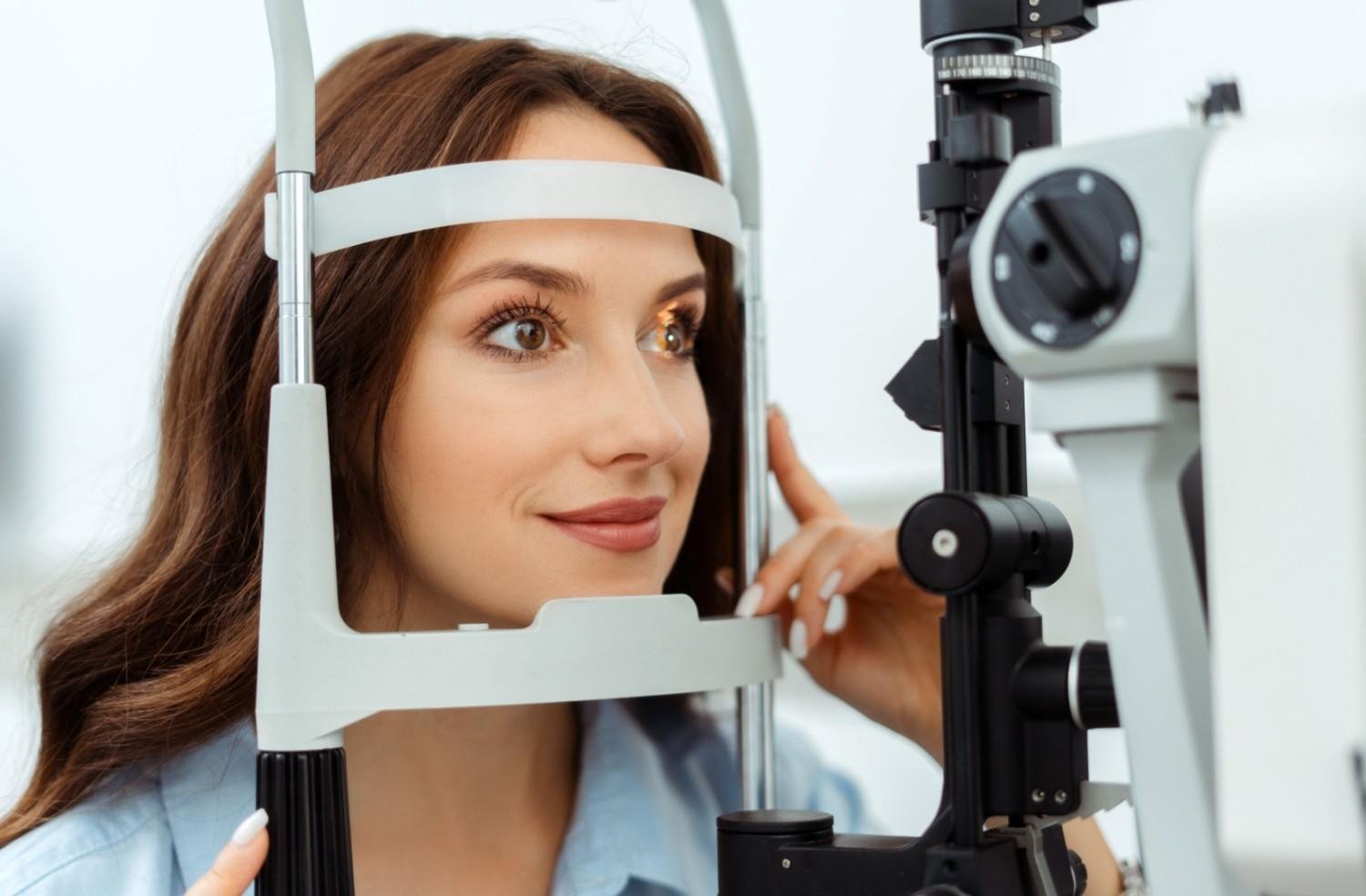
An eye test usually involves several assessments, depending on your age, symptoms, medical history, and vision needs.
Your eye care professional may perform the following checks:
Visual acuity test: Measures how clearly you can see letters or objects at different distances.
Prescription assessment: Checks whether you need glasses or a change in your current prescription.
Eye movement and focusing tests: Assess how well your eyes work together.
Eye health examination: Looks for signs of abnormalities affecting the eyes.
Additional diagnostic tests: May be recommended when symptoms or risk factors require further investigation.
Some examinations may also involve dilating eye drops to allow a closer look at the retina and optic nerve.
A routine eye test is generally straightforward. Your eye care professional will explain which assessments are appropriate for you.
How Often Should You Get Your Eyes Tested?
The ideal frequency depends on your age, eye health, medical history, and risk factors. There is no single schedule that suits everyone.
Children need age-appropriate vision checks, while adults should follow an examination schedule recommended by their eye care professional. Older adults and people with diabetes or a family history of eye disease may need more frequent assessments.
You should not wait for your next routine appointment if you notice sudden changes in your eyesight, eye pain, flashes of light, or a sudden increase in floaters. Sudden vision loss requires immediate medical attention.
If you are unsure when you last had your eyes examined, scheduling an Eye Test in Gurugram can be a useful starting point for assessing your current vision needs.
Tips to Maintain Healthy Vision Between Eye Tests
Regular examinations are important, but your daily habits also contribute to eye comfort and general health.
Follow these simple practices:
Eat a balanced diet that includes leafy green vegetables and other nutrient-rich foods.
Wear sunglasses that provide adequate UVA and UVB protection.
Use appropriate protective eyewear during sports and activities that may injure your eyes.
Maintain proper contact lens hygiene and follow the recommended wearing schedule.
Take breaks during extended screen use.
Manage health conditions such as diabetes under medical supervision.
Avoid using prescription eye drops without appropriate medical advice.
These habits support eye health but do not replace professional examinations.
Conclusion
Your eyes play an important role in almost every part of daily life. Regular examinations help monitor vision changes, identify potential eye conditions, and determine whether you need corrective lenses or further medical care.
Making time for an Eye Test in Gurugram is a simple way to take a proactive approach to your eye health. Whether you are a student, working professional, parent, or older adult, follow an examination schedule suited to your individual needs.
Eye2Lens encourages people to make regular eye care part of their overall health routine. Do not wait until vision problems begin affecting your daily activities. A timely eye examination can help you make informed decisions about protecting your eyesight.
Frequently Asked Questions (FAQs)
1. Why should I get a regular eye test if I can see clearly?
Clear vision does not always mean your eyes are healthy. Some eye diseases develop without early symptoms. Regular examinations can help identify vision changes and signs of certain eye conditions.
2. How often should I book an eye test in Gurugram?
The recommended frequency depends on your age, medical history, symptoms, and risk factors. Your eye care professional can suggest an appropriate schedule based on your individual needs.
3. Can an eye test detect diseases other than vision problems?
A comprehensive eye examination may reveal signs associated with certain eye diseases and some general health conditions, such as diabetes or high blood pressure. Additional medical tests may be needed to confirm a diagnosis.
4. Is an eye test necessary if I work on a computer every day?
Yes. Regular eye examinations can help identify vision changes and investigate persistent symptoms such as eye strain, headaches, dryness, or blurred vision associated with screen use.
5. When should I seek an eye examination immediately?
Seek urgent medical attention if you experience sudden vision loss, severe eye pain, flashes of light, a sudden increase in floaters, or a curtain-like shadow across your vision. Do not wait for a routine appointment if these symptoms occur.