Date: 08 Sep 2026 | Category: eye specialist
What Common Eye Problems Can an Eye Specialist in Sector 51 Gurugram Diagnose and Treat?
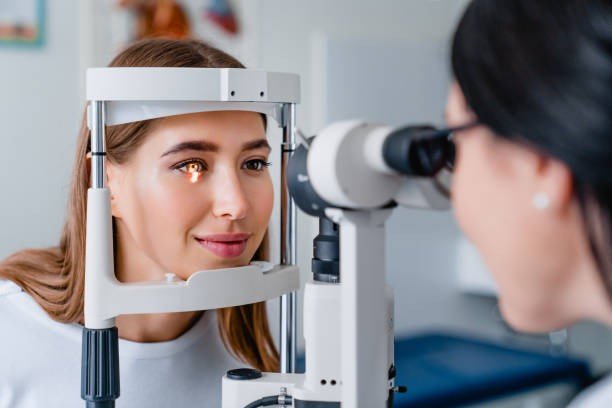
Your eyes work throughout the day, whether you are reading, working on a computer, driving, or simply enjoying your surroundings. However, problems such as blurry vision, redness, dryness, headaches, or difficulty seeing at night should not always be ignored. An Eye Specialist in Sector 51 Gurugram can examine your eyes, identify the underlying cause, and recommend suitable treatment based on your condition.
For more information, direct chat with us on WhatsApp.
Some eye problems are minor and temporary. Others can gradually affect your vision without causing noticeable symptoms in the early stages. Regular eye examinations can help detect such problems before they become more serious. Common conditions include refractive errors, dry eye, conjunctivitis, cataracts, glaucoma, and several retinal or corneal disorders.
Refractive Errors and Blurry Vision
Refractive errors are among the most common causes of unclear vision. They occur when the eye does not focus light correctly on the retina.
Common types include:
Myopia, or nearsightedness
Hyperopia, or farsightedness
Astigmatism
Presbyopia
People may experience blurry vision, headaches, eye strain, squinting, or difficulty focusing. An Eye Specialist in Sector 51 Gurugram can perform a vision and refraction assessment to identify the problem.
Treatment may include prescription glasses or contact lenses. In selected cases, refractive surgery may also be considered after a detailed evaluation.
Dry Eye and Eye Strain
Long hours in front of computers and mobile screens can make the eyes feel tired and uncomfortable. Dry eye may cause burning, irritation, redness, a gritty sensation, light sensitivity, or intermittent blurry vision.
Dry eye can happen when the eyes do not produce enough tears or when tears evaporate too quickly. Contact lens use, age, certain medications, and environmental factors can also contribute.
An Eye Specialist in Sector 51 Gurugram can assess your symptoms and determine whether dry eye is responsible. Treatment can vary depending on the cause. It may include lubricating eye drops, lifestyle changes, screen-use adjustments, or other treatments recommended by the specialist.
Conjunctivitis and Eye Infections
Red, watery, itchy, or sticky eyes can sometimes indicate conjunctivitis, commonly known as pink eye. It can have different causes, including viral or bacterial infections and allergies.
Because different causes may require different approaches, self-medication is not always advisable. An eye examination can help determine the likely cause and appropriate management.
If redness is accompanied by significant pain, light sensitivity, or changes in vision, prompt professional evaluation is especially important.
Cataracts and Age-Related Vision Changes
A cataract occurs when the natural lens of the eye becomes cloudy. It is commonly associated with ageing, although cataracts can occur for other reasons as well.
People with cataracts may notice:
Gradually blurred or cloudy vision
Increased glare from lights
Difficulty seeing at night
Faded colours
Frequent changes in spectacle prescription
An Eye Specialist in Sector 51 Gurugram can examine the lens and determine whether a cataract is affecting your vision. When a cataract significantly interferes with daily activities, cataract surgery may be considered.
A comprehensive evaluation is important because other eye or health conditions can also contribute to vision problems.
Glaucoma and Increased Eye Pressure
Glaucoma is a group of eye conditions that can damage the optic nerve and may lead to permanent vision loss. One of the challenges is that some forms can develop gradually without obvious symptoms.
An eye examination may include visual acuity testing, eye pressure measurement, optic nerve evaluation, and other assessments when appropriate.
An Eye Specialist in Sector 51 Gurugram can evaluate your risk factors and determine whether further glaucoma testing or ongoing monitoring is needed.
People with a family history of glaucoma or other risk factors may need more careful evaluation.
Corneal Problems
The cornea is the clear front surface of the eye. It plays an important role in focusing light. Conditions affecting the cornea can cause pain, redness, watering, sensitivity to light, or blurred vision.
Examples include keratitis, corneal infections, corneal dystrophies, and other corneal conditions. Contact lens-related infections are one important cause of keratitis.
An Eye Specialist in Sector 51 Gurugram can examine the cornea and recommend treatment according to the underlying condition.
Retinal Problems and Diabetic Eye Disease
The retina is located at the back of the eye and helps convert light into signals that the brain can process. Retinal conditions can sometimes affect central or peripheral vision.
People with diabetes can also develop diabetic retinopathy, which may progress without noticeable symptoms in the early stages. Other retinal problems can involve floaters, flashes, macular changes, or sudden vision loss.
An eye specialist can examine the retina and recommend appropriate investigations or referrals when required. Early assessment is important when there is a sudden change in vision.
When Should You Visit an Eye Specialist?
You should consider an eye examination if you experience:
Persistent blurry vision
Frequent headaches or eye strain
Eye pain or discomfort
Red or swollen eyes
Excessive watering
New floaters or flashes
Difficulty seeing at night
Sudden changes in vision
Increasing sensitivity to light
Some symptoms can require urgent attention. Severe eye pain, a sudden change in vision, significant redness, or sudden blurry vision should not be ignored.
Why Regular Eye Examinations Matter
An eye examination is not only about checking whether you need glasses. It can also help identify conditions affecting different parts of the eye.
Depending on your symptoms and risk factors, an eye specialist may assess visual acuity, refraction, the front of the eye, eye pressure, the optic nerve, and the retina. Additional tests may be recommended when necessary.
For children, timely vision screening is also important because undetected vision problems can affect visual development.
Conclusion
Eye problems can range from simple refractive errors to conditions that require long-term monitoring or treatment. Paying attention to changes in your vision is an important part of protecting your eye health.
An Eye Specialist in Sector 51 Gurugram can help identify the cause of symptoms such as blurry vision, dryness, redness, eye pain, cataract-related changes, or other visual concerns. Instead of relying on self-medication, consider getting a professional eye examination when symptoms persist or suddenly worsen.
At Eye2Lens, the focus should always be on understanding the patient's eye health, identifying the underlying problem, and choosing an appropriate care approach.
FAQs
1. What does an Eye Specialist in Sector 51 Gurugram treat?
An Eye Specialist in Sector 51 Gurugram can diagnose and manage many eye conditions, including refractive errors, dry eye, conjunctivitis, cataracts, glaucoma, corneal problems, and retinal disorders.
2. When should I see an eye specialist for blurry vision?
If blurry vision persists, keeps returning, affects daily activities, or develops suddenly, it is advisable to have your eyes examined. Sudden vision changes require prompt medical attention.
3. Can an eye specialist treat dry eyes?
Yes. An eye specialist can determine the possible cause of dry eye and recommend appropriate treatment, which may include lubricating drops, lifestyle changes, or additional therapies depending on the condition.
4. Are cataracts treatable?
Yes. Cataracts can be managed, and when they significantly affect vision or daily activities, cataract surgery may be recommended after an appropriate eye examination.
5. How often should I get my eyes checked?
The ideal frequency depends on your age, symptoms, existing eye conditions, family history, and other risk factors. Your eye specialist can recommend an examination schedule suited to your individual needs.